

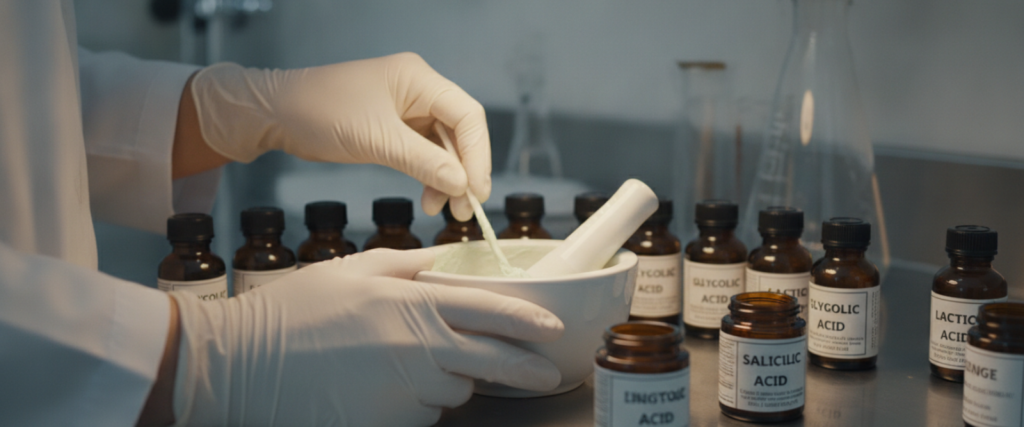
Achieving radiant, healthy skin often involves exfoliation, a crucial step in removing dead skin cells and promoting cell turnover. However, for individuals with sensitive skin, standard exfoliants can often lead to irritation, redness, and discomfort. Understanding why sensitive skin reacts differently to conventional products and exploring customised solutions is key to unlocking a gentle yet effective skincare routine. This is where custom exfoliation for sensitive skin, formulated by a compounding pharmacy like Careplus Compounding, offers a tailored approach.
Key Takeaways
- Sensitive skin often struggles with standard exfoliants due to compromised skin barrier function and irritation triggers.
- Enzyme, AHA (alpha hydroxy acid), and BHA (beta hydroxy acid) are common exfoliation types, each with unique mechanisms and suitability for sensitive skin.
- Careplus Compounding customises exfoliation formulations by adjusting concentration, pH, and ingredient combinations to minimise irritation.
- Safe exfoliation practices, including choosing the right type and frequency, are crucial for maintaining sensitive skin health.
- Compounded prescription skincare, tailored by a dermatologist or GP, offers a personalised and effective solution for specific sensitive skin concerns, including custom exfoliation for sensitive skin.
Custom Exfoliation Sensitive Skin
Sensitive skin is characterised by a weakened skin barrier, which makes it more susceptible to environmental aggressors and harsh ingredients. When exposed to conventional exfoliants, this compromised barrier can lead to:
- Increased Redness and Inflammation: The skin’s natural protective layer is easily disrupted, triggering an inflammatory response.
- Dryness and Peeling: Over-exfoliation can strip the skin of its natural oils, leading to excessive dryness and flaking.
- Stinging or Burning Sensations: Many active ingredients in off-the-shelf exfoliants can cause immediate discomfort on sensitive skin.
- Breakouts: While exfoliation aims to prevent breakouts, irritation can sometimes exacerbate acne or trigger new blemishes.
The skin barrier itself is a brick-and-mortar structure of ceramides, fatty acids, and cholesterol that controls water loss and blocks irritants. In sensitive skin, this lipid matrix is thinner or disrupted, so active ingredients penetrate faster and deeper than intended. Standard exfoliants compound the problem because they often contain elements that further destabilise this barrier: high-concentration acids without adequate pH buffering, denatured alcohol that strips protective lipids, synthetic fragrances that provoke contact sensitisation, sodium lauryl sulfate and other harsh surfactants, and physical scrubs with irregularly shaped particles that create micro-tears on the skin surface. These ingredients may be well tolerated by resilient skin types, but for a compromised barrier they overwhelm the skin’s ability to repair itself between applications.
Therefore, finding an exfoliant that effectively removes dead skin cells without causing further damage to the delicate skin barrier is paramount for sensitive skin types. This is where a custom exfoliation for sensitive skin can make a difference.
Types of Exfoliation: Enzyme, AHA, and BHA
Exfoliation broadly falls into two categories: physical and chemical. For sensitive skin, chemical exfoliation, particularly with customised formulations, is often preferred as it avoids the abrasive action of physical scrubs.
Enzyme Exfoliation
Enzyme exfoliants, derived from fruits like papaya (papain) and pineapple (bromelain), work by gently breaking down the keratin proteins that bind dead skin cells together. They offer a milder approach compared to alpha hydroxy acids or beta hydroxy acids.
- How it works: Enzymes selectively target and digest dead skin cells on the surface without affecting living cells.
- Suitability for sensitive skin: Generally considered the gentlest form of chemical exfoliation, making it an excellent choice for very sensitive or easily irritated skin, including rosacea-prone skin.
- Benefits: Provides a subtle glow, smooths texture, and minimises irritation.
AHA (Alpha Hydroxy Acid) Exfoliation
AHAs are water-soluble acids derived from sugary fruits. Common AHAs include glycolic acid, lactic acid, and mandelic acid. They work by dissolving the bonds between dead skin cells, promoting a more even skin tone and texture.
- How it works: AHAs loosen the “glue” holding dead skin cells to the surface, allowing them to shed more easily. They also draw moisture into the skin.
- Suitability for sensitive skin: Lactic acid and mandelic acid are generally preferred over glycolic acid for sensitive skin due to their larger molecular size, which allows for slower, more even penetration and less irritation.
- Benefits: Improves skin texture, reduces hyperpigmentation (like sun spots), and can stimulate collagen production.
BHA (Beta Hydroxy Acid) Exfoliation
BHAs, such as salicylic acid, are oil-soluble, allowing them to penetrate deeper into pores. This makes them particularly effective for oily, acne-prone, and congested skin.
- How it works: BHAs exfoliate both the skin surface and inside the pores, dissolving sebum and dead skin cells that can lead to breakouts.
- Suitability for sensitive skin: While potent, low concentrations of salicylic acid can be beneficial for sensitive skin that experiences occasional breakouts or congestion, as its anti-inflammatory properties can be soothing.
- Benefits: Clears pores, reduces blackheads and whiteheads, and calms inflammation associated with acne.
For sensitive skin, the key to effective exfoliation lies in precision – choosing the right active ingredient, at the optimal concentration and pH, to ensure gentle renewal without compromising the skin’s delicate barrier.
How a Compounding Pharmacy Customises Exfoliation Formulations
Careplus Compounding, an AHPRA-accredited compounding pharmacy, specialises in creating dermatology compounding solutions tailored to individual patient needs. This personalised approach is particularly beneficial for custom exfoliation for sensitive skin because it addresses the unique sensitivities and concerns that off-the-shelf products cannot.
Tailoring Active Ingredient Concentration
The strength of an exfoliant is crucial for sensitive skin. Commercial products often come in fixed concentrations that may be too high, leading to irritation. Careplus Compounding pharmacists can adjust the percentage of active ingredients like lactic acid or salicylic acid to suit your skin’s tolerance. This ensures you receive an effective dose that promotes cell turnover without causing redness or stinging.
Optimising pH Levels
The pH of an exfoliant significantly impacts its efficacy and potential for irritation. Compounding pharmacists can formulate exfoliants with a carefully controlled pH that optimises the ingredient’s activity while respecting the skin’s natural acidic mantle. This balance helps to prevent excessive dryness and barrier disruption, which are common issues for sensitive skin.
Combining and Omitting Ingredients
One of the most powerful aspects of custom compounding is the ability to create unique ingredient combinations. For sensitive skin, this means:
- Adding Soothing Agents: Ingredients like hyaluronic acid, niacinamide, or aloe vera can be incorporated directly into the exfoliant to provide hydration and reduce inflammation, mitigating potential irritation. This supports custom exfoliation for sensitive skin.
- Avoiding Irritants: If you have known allergies or sensitivities to common fillers, fragrances, dyes, or preservatives found in commercial products, these can be completely omitted from your compounded formulation.
- Targeting Multiple Concerns: A compounded exfoliant can be designed to address not only sensitive skin but also specific issues like acne, hyperpigmentation, or fine lines, all within a single, gentle product. For instance, a formulation might combine a low concentration of lactic acid with a soothing botanical extract to tackle mild hyperpigmentation on rosacea-prone skin. If you are managing specific concerns like melasma compounding treatment can be integrated with your custom exfoliation for sensitive skin regimen.
Considering Customised Skincare?
Our expert pharmacists can help you explore how compounded exfoliation can benefit your sensitive skin. Speak with our team to understand your options.
Choosing the Right Exfoliant for Specific Sensitive Skin Concerns
Selecting the ideal exfoliant for sensitive skin depends on the primary concern you wish to address:
- Acne-Prone Sensitive Skin: A low concentration of salicylic acid (BHA) can be highly effective. Its oil-solubility allows it to clear pores and reduce inflammation without excessive surface irritation. Compounded formulations can include additional anti-inflammatory ingredients to calm the skin. This ensures effective custom exfoliation for sensitive skin.
- Hyperpigmentation (Sun Spots, Post-Inflammatory Hyperpigmentation): Milder AHAs like lactic acid or mandelic acid are excellent choices. They gently promote cell turnover, helping to fade dark spots over time. A compounding pharmacist can combine these with other brightening agents in a sensitive-skin-friendly base. This approach is ideal for custom exfoliation for sensitive skin.
- Rosacea-Prone Sensitive Skin: Enzyme exfoliants are often the safest bet due to their gentle action. If AHAs are considered, mandelic acid or polyhydroxy acids (PHAs) are preferred for their larger molecular size and hydrating properties, reducing the risk of triggering a flare-up.
- Dullness and Uneven Texture: Both enzyme exfoliants and low-concentration AHAs (like lactic acid) can effectively improve skin radiance and smoothness without overwhelming sensitive skin.
Safe Exfoliation Practices and Frequency for Sensitive Skin
Even with a customised compounded exfoliant, proper application and frequency are essential to avoid irritation and protect the skin barrier.
- Start Slow: Begin by using your compounded exfoliant once or twice a week. Monitor your skin’s reaction closely. This gentle approach is key for custom exfoliation for sensitive skin.
- Patch Test: Always apply a new product to a small, inconspicuous area (e.g., behind the ear or on the neck) for a few days before widespread use.
- Apply to Clean, Dry Skin: Ensure your face is clean and completely dry before applying the exfoliant to maximise effectiveness and minimise irritation.
- Follow Instructions: Adhere strictly to the application instructions provided by your prescriber and Careplus Compounding pharmacist, including the amount to use and how long to leave it on.
- Moisturise Generously: Always follow exfoliation with a rich, soothing, and hydrating moisturiser to replenish the skin barrier and lock in moisture.
- Sun Protection: Exfoliation can increase sun sensitivity. Use a broad-spectrum SPF 30+ sunscreen daily, especially after exfoliating, to protect your newly exposed skin cells.
- Listen to Your Skin: If you experience any persistent redness, stinging, peeling, or discomfort, reduce the frequency of use or consult your prescriber.
The Australian Therapeutic Goods Administration (TGA) regulates all therapeutic goods, including compounded medications, ensuring they meet strict quality and safety standards. Careplus Compounding operates in full compliance with these regulations, providing peace of mind for patients and prescribers.
When to Discuss Prescription Skincare With Your Prescriber
Over-the-counter exfoliants suit many people, but certain patterns suggest your skin may benefit from a prescriber-guided, compounded approach. Consider booking an appointment with your dermatologist or GP if you recognise any of the following:
- Persistent reactions to multiple products: If you have tried several gentle, fragrance-free exfoliants and still experience redness, stinging, or flaking each time, this pattern suggests your skin needs a concentration or pH level that commercial ranges simply do not offer. This is a strong indicator for custom exfoliation for sensitive skin.
- A diagnosed skin condition: Conditions such as rosacea, eczema, psoriasis, or chronic cystic acne benefit from prescription-strength ingredients at doses calibrated to avoid triggering flares. Your prescriber can specify the exact active and its upper safe limit for your condition.
- Stubborn hyperpigmentation: Melasma, post-inflammatory hyperpigmentation, or cumulative sun damage that has not responded to over-the-counter brightening products may require a compounded formulation combining an exfoliant with other prescription actives such as azelaic acid or tretinoin.
- Post-procedure recovery: If you have recently undergone laser treatment, a clinical-grade chemical peel, or microneedling, your prescriber can recommend a compounded exfoliant at a lower starting strength to support skin renewal without compromising the healing process.
- Multiple overlapping concerns: When your skin is both acne-prone and sensitive, or both ageing and rosacea-prone, a single compounded product can address both issues in one step — something difficult to achieve safely by layering separate commercial products, which increases the risk of ingredient interactions and cumulative irritation.
Your prescriber can also set realistic expectations for how quickly you may see results, advise on how to layer a compounded exfoliant with the rest of your routine (such as serums, moisturisers, and sunscreen), and adjust your formulation over time as your skin’s tolerance builds or your concerns change.
The Prescription and Compounding Process
Getting your customised exfoliation solution from Careplus Compounding is a straightforward process:
- Consult Your Prescriber: Discuss your sensitive skin concerns and exfoliation goals with your dermatologist or general practitioner (GP). They can assess your skin, diagnose any underlying conditions, and determine if a compounded custom exfoliation for sensitive skin is appropriate.
- Obtain a Prescription: If your prescriber agrees that compounded skincare is suitable, they will issue a valid prescription detailing the specific active ingredients, concentrations, and dosage form required.
- Send Your Script to Careplus Compounding: You can easily submit your script to Careplus Compounding online. Our team of expert pharmacists will review your prescription and prepare your customised formulation in our state-of-the-art laboratory in Narellan, NSW.
- Australia-Wide Delivery: Once prepared, your medication will be discreetly and securely delivered directly to your home anywhere in Australia.
Frequently Asked Questions
Why does my sensitive skin react to standard exfoliants?
Sensitive skin often has a compromised skin barrier, making it more vulnerable to irritation from the higher concentrations, harsh ingredients, or inappropriate pH levels found in many commercial exfoliants. This can lead to redness, stinging, and dryness. A custom exfoliation for sensitive skin can mitigate these issues.
What is the difference between enzyme, AHA, and BHA exfoliation?
Enzyme exfoliants gently break down dead skin cells on the surface. AHAs (like lactic acid) dissolve the bonds between surface skin cells and are water-soluble. BHAs (like salicylic acid) are oil-soluble and can penetrate deeper into pores to clear congestion. Each works differently and suits various skin concerns, especially when considering custom exfoliation for sensitive skin.
How does Careplus Compounding customise exfoliation for sensitive skin?
Careplus Compounding pharmacists work with your prescriber to tailor the active ingredient (e.g., lactic acid, salicylic acid) and its precise concentration, optimise the pH, and select or omit other ingredients (like fragrances or preservatives) to create a gentle yet effective formula specifically for your skin’s needs and sensitivities.
How often should I exfoliate sensitive skin?
For sensitive skin, it’s best to start slowly, typically once or twice a week. Gradually increase frequency only if your skin tolerates it well. Always follow your prescriber’s and pharmacist’s specific instructions for your compounded product and your custom exfoliation for sensitive skin regimen.
When should I consult a dermatologist or GP about prescription skincare?
You should consult a dermatologist or GP if you have persistent skin concerns like chronic acne, severe hyperpigmentation, rosacea, or if over-the-counter products consistently irritate your skin. They can provide a diagnosis and determine if compounded prescription skincare, including custom exfoliation for sensitive skin, is the right path for you.
What are the practical steps to getting a compounded skincare prescription filled at Careplus Compounding?
First, consult your prescriber for a valid prescription. Once you have it, you can easily upload your prescription to Careplus Compounding. Our pharmacists will then prepare your customised exfoliant, and we will deliver it securely to your address anywhere in Australia.
Conclusion
Navigating exfoliation with sensitive skin doesn’t have to be a challenge. By understanding the unique needs of your skin and exploring the possibilities of custom exfoliation for sensitive skin through compounding, you can achieve a radiant complexion without irritation. Careplus Compounding offers the expertise and personalised approach needed to create formulations that truly work for you.
Always remember that compounded medications are prescription-based. Discuss your skin concerns with a registered healthcare practitioner, such as a dermatologist or GP, to determine if a customised exfoliant is suitable for your individual needs.
Visit Careplus Compounding Today
Ready to explore a custom exfoliation solution tailored to your sensitive skin? Discuss your needs with your prescriber and send your script to Careplus Compounding for a personalised approach.