
Hormone Support for Men: Andropause Compounding in Oran Park
Men in Oran Park who notice persistent fatigue, low mood, reduced muscle tone or a drop in libido are often looking for one thing: a way to have their hormone levels addressed with a dose that actually suits them, not a one-size-fits-all pack. CarePlus Compounding, a pharmacist-led compounding pharmacy Oran Park patients access in nearby Narellan, works with your prescriber to prepare individually formulated hormone support once a prescription is written — including options relevant to andropause. This article explains how that process works, what a pharmacist actually does with the prescription, and what men across Oran Park and the wider Macarthur region can expect from the pathway.
Key Takeaways
- Andropause-related hormone therapy is only ever prepared from a valid prescription written by your GP or specialist.
- A compounding pharmacist can adjust dose strength and the delivery format your prescriber has specified, within what the script allows.
- CarePlus is based in Narellan and regularly supports patients across Oran Park, Camden, Gregory Hills, Mount Annan and the broader Macarthur area.
- Compounded hormone formulations are prepared for you individually to match your prescription.
- Your GP or specialist remains the person who diagnoses and decides on treatment; the pharmacist’s role is formulation and dispensing.
What Andropause Actually Involves
Andropause is the term commonly used to describe the gradual decline in testosterone and related hormone changes that some men experience as they age. Symptoms can include low energy, reduced concentration, changes in mood, decreased muscle mass and reduced libido — though these symptoms overlap with many other conditions, which is why diagnosis and any decision to start hormone therapy sits with your GP or specialist, not with a pharmacy. CarePlus does not diagnose andropause or recommend that a reader start hormone therapy; our role begins once your prescriber has assessed you and decided that a prescription is appropriate.
Why a Man in Oran Park Might Be Prescribed a Compounded Formulation
Not every patient responds well to a standard, mass-manufactured strength or delivery format. A prescriber may write a script for a compounded formulation when a patient needs a dose strength that isn’t commercially available, when a commercial product contains an ingredient the patient reacts to, or when a different delivery format — such as a cream, gel or capsule, depending on what has been prescribed — would suit the patient’s routine better than what’s on general release. In each case, the decision to compound sits with the prescriber; CarePlus then prepares the formulation to the exact specifications on the script.
This is one of the reasons hormone support is a core part of what we do as a compounding pharmacy serving Oran Park and across the Macarthur region — men don’t always fit a single standard dose, and a pharmacist-led approach means the formulation can be built around what the prescriber has determined is right for that individual.
If your prescriber has raised the possibility of a compounded hormone formulation, or if you’d simply like to understand your options before that conversation, our team at CarePlus Compounding is happy to talk through the process.
How the Process Works, Step by Step
Understanding the pathway can make the process feel less daunting. It generally runs in this order:
1. Consultation with your prescriber. Your GP or a specialist assesses your symptoms, may arrange relevant testing, and decides whether hormone therapy is appropriate. This step happens entirely outside CarePlus — we do not diagnose or advise on whether therapy is needed.
2. A prescription is written. If your prescriber decides a compounded formulation is the right approach, they write a script specifying the active ingredient, strength and delivery format.
3. The prescription is sent or brought to CarePlus. Patients across Oran Park, Camden South, Elderslie and Harrington Park can send scripts through to our Narellan pharmacy, including via our script request process, ahead of collection or delivery.
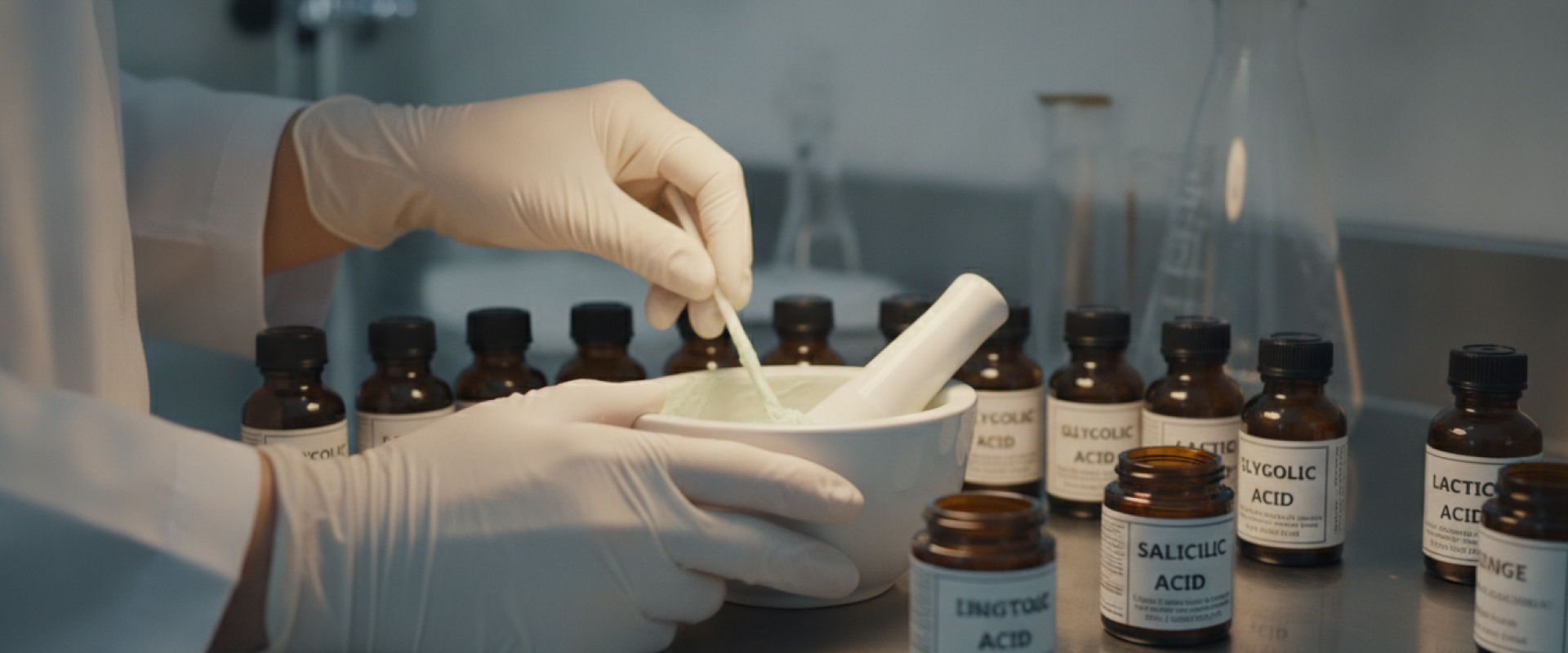
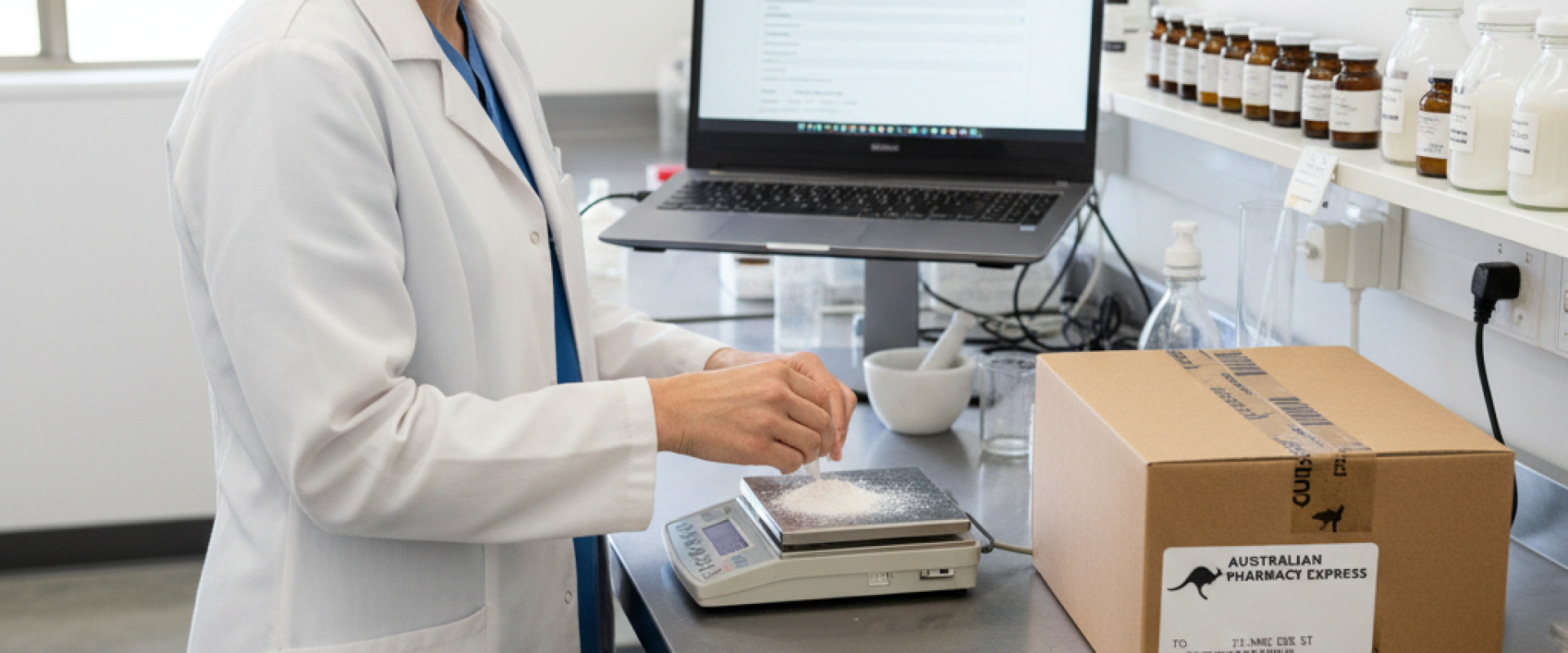
4. Our pharmacist reviews and prepares the formulation. Every compounded medicine is prepared individually according to the prescription — nothing is compounded without a valid script, and patients cannot select or adjust a dose themselves.
5. Collection, delivery or ongoing supply. Once prepared, the formulation is ready for collection from Narellan or arranged supply, with your prescriber typically reviewing your response at follow-up appointments.
A compounded formulation is built around what your prescriber has prescribed for you specifically to meet your individual needs.
What a Pharmacist Can (and Can’t) Adjust
Within the bounds of a valid prescription, a compounding pharmacist can prepare the strength and delivery format your prescriber has specified, and can flag formulation considerations — such as an ingredient sensitivity — back to the prescriber for their input. What a pharmacist cannot do is decide to start, stop or change your hormone therapy independently, recommend a dose adjustment without your prescriber’s instruction, or guarantee a particular outcome from treatment. Any change to your therapy needs to go back through your GP or specialist first. This distinction matters because compounded medicines are not automatically “better” or “safer” than a standard, TGA-registered product — they are simply built to match what an individual patient has been prescribed when a standard product isn’t suitable.
Why Men Choose a Local Pharmacist-Led Compounding Pharmacy Oran Park Residents Can Reach Easily
For many patients, proximity and continuity matter. Being able to speak with the same pharmacist about a formulation, rather than a different person each time a script is filled, gives some men more confidence in the process — particularly for a therapy area that can feel personal. CarePlus is based a short drive from Oran Park in Narellan, and we regularly support patients from Gregory Hills, Cobbitty, Spring Farm and Campbelltown as well. If you’re weighing up whether a compounded approach fits your circumstances, our pharmacist page explains more about how our team works alongside prescribers, and our What Is Compounding page covers the broader process for readers who are new to it.
Frequently Asked Questions
Can I get a compounded testosterone formulation without seeing a GP or specialist first?
No. Every compounded hormone formulation at CarePlus requires a valid prescription from your GP or a specialist. We prepare formulations according to what has been prescribed; we do not diagnose andropause or supply hormone therapy without a script.
Is a compounded formulation stronger or more effective than a standard medication?
Not necessarily. A compounded formulation isn’t automatically superior to a standard, TGA-registered product — it’s an option your prescriber may choose when a standard strength, ingredient or delivery format doesn’t suit you. The right approach depends on your individual circumstances, which is a decision for your prescriber.
What delivery formats are available for compounded hormone support?
This depends entirely on what your prescriber has specified on your script. Our pharmacists prepare the formulation to those exact specifications rather than offering a menu of formats for patients to choose from independently.
Does CarePlus serve patients outside Narellan, such as Oran Park?
Yes. While our pharmacy is based in Narellan, we regularly support patients across the Macarthur region, including Oran Park, Camden, Mount Annan, Gregory Hills and Campbelltown.
How do I get started if my prescriber has mentioned compounded hormone therapy?
Your GP or specialist will write a prescription specifying the formulation. You can then send that script through to CarePlus, including via our script request process, and our pharmacist will prepare it accordingly.
Will CarePlus tell me if I need hormone therapy?
No — diagnosing andropause and deciding whether hormone therapy is appropriate is the role of your GP or specialist. CarePlus’s role is to prepare a formulation once that decision has been made and a prescription issued.
Getting the Right Support for Your Circumstances
Andropause looks different for every man, and so does the right way to manage it — which is exactly why a prescription-based, pharmacist-led approach exists. Rather than a standard pack that may not match your dose or delivery needs, a compounded formulation is built to what your prescriber has determined is right for you, with a pharmacist preparing it precisely to that script.
If you’re looking for a compounding pharmacy Oran Park prescribers work with across the Macarthur region and your GP has discussed compounded hormone support with you, CarePlus is set up to work alongside that prescription from start to finish. The conversation about whether treatment is right for you belongs with your GP or specialist; once that’s settled, we take care of the formulation.
For questions about how our process works, or to arrange collection or delivery once you have a valid prescription, contact CarePlus Compounding on (02) 4656 4888 or visit us at 5/20 Somerset Ave, Narellan, Monday to Friday.
Related resources
- About Careplus Compounding | Personalised Australian Pharmacy
- Navigating Menopause in Narellan
- Paediatric Compounding
- Veterinary Compounding
- Dermatology Compounding/Custom Skincare
- PEA for Pain Management
- Melasma Compounding Treatment
- What Is Compounding? Personalised Medicines Made for Real People
- Hormone Support